
"global cafés"
300 article(s) found

Coffee shop profit model: coffee shop also starts monthly consumption
There is a cafe in the United States, Fair Folks a Goat is such a monthly cafe, once people become their members, they can drink all kinds of drinks for free. Monthly fee? $25
Are the advantages and disadvantages of decaf coffee different in taste? will the effect of decaf on weight loss affect sleep?
Professional coffee knowledge exchange more coffee bean information Please follow the coffee workshop (Wechat official account cafe_style) A friend asked why Qianjie Coffee didn't launch several healthier types of low-caffeinated coffee, but did not realize that the process of decaffeination would greatly destroy the flavor of the coffee itself. Besides, caffeine doesn't necessarily mean not.
Have a comprehensive understanding of coffee
Legend of Coffee the person who first discovered coffee: a shepherd in Ethiopia, in the fifth and sixth centuries AD. It is said that Niankadi, a shepherd with talent as a poet, herded sheep on the mountain paths of the Ethiopian plateau every day. He liked to drive the sheep home with a shrill flute, but one day the flute sounded again and there was no sign of the sheep. He looked everywhere. Find sheep
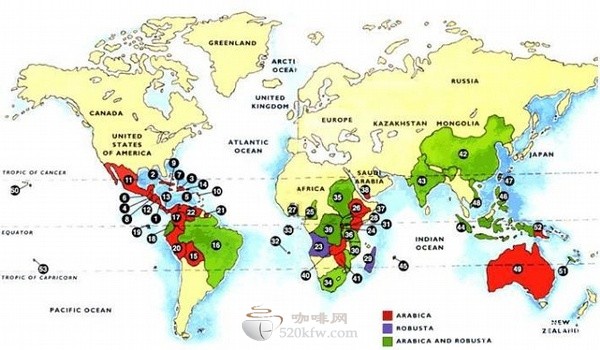
Coffee beans from 53 producing areas-enough to make you memorable
one. Costa Rican coffee has full grains, ideal acidity and unique strong aroma. Tarrazu of Costa Rica is one of the major coffee producing areas in the world. Costa Rica, with its fertile volcanic soil and good drainage, is the first country in Central America to grow coffee and bananas for commercial value. Coffee and fragrance

53 coffee producing areas in the world
Seven. Haiti's Good Coffee from Politically Troubled Land Despite its well-known problems and fluctuating coffee quality, Haiti is still trying to produce some quality coffee. Most of the coffee produced in Haiti is grown in a purely natural state, not intentionally but as a result of material shortages, because farmers are too poor to buy

The Chinese coffee market has entered a white-hot stage due to the dispute between the three major factions of Chinese cafes
At present, China's per capita coffee consumption is 5 cups per year, which is far lower than that of Japan and South Korea, with an average of about 300 cups per person per year. However, coffee consumption in China continues to grow at an annual rate of 15% to 20%, making it the world's most potential coffee consumer. In the current Chinese market, carving time into the Internet, Starbucks vigorously do direct sales,

Introduction of Coffee from 53 Coffee producing areas in the World (2)
eleven. Mexico coffee from the world's fourth largest coffee producer, slippery and fragrant Mexico, the fourth largest coffee producer in the world, produces about 5 million bags of coffee a year. Most of its coffee is produced by nearly 100000 small farmers, and large estates that once manipulated the coffee industry are rare. The yield of Mexican coffee is about 630 kg per hectare. Later, the Mexican Coffee Association (Institu)
Rwanda Coffee
Global coffee producing area-since the 1920s, Rwanda Arabica coffee grown in Rwanda has been famous for its unique fruit sweetness and rich grass aroma. In recent years, the government of Rwanda has taken positive measures to vigorously promote coffee production, set up coffee production cooperatives in various places, and give technical guidance and financial support to farmers, so that coffee production can be achieved.

Description of Latin American coffee flavor, introduction of Latin American coffee
The characteristics of the flavor of Central and South America: balanced, moderately sour and mellow Central and South America is the world's largest coffee producing area, where there are numerous boutique coffees. Take Colombia, Guatemala or Brazil as an example, good coffee is enough to make people dazzling. What is the resource advantage that makes Central and South America so good? French naval officer Gabriel Ma in 1721

Where did the coffee come from? I'll show you the history of hand-made coffee!
Professional coffee knowledge exchange more coffee bean information please follow the coffee workshop (Wechat official account cafe_style) casually step into any boutique coffee shop, nine times out of ten there is at least one hand coffee maker. Although V60 filter cup and Chemex hand brewer have been around for decades, they are still the representative of the third wave of coffee fad. But how did hand coffee evolve? This simple method of cooking
Coffee producing area African Rwanda boutique coffee beans
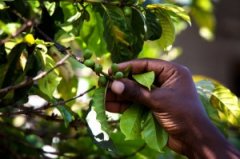
Global coffee producing area-since the 1920s, Rwanda Arabica coffee grown in Rwanda has been famous for its unique fruit sweetness and rich grass aroma. In recent years, the government of Rwanda has taken positive measures to vigorously promote coffee production, set up coffee production cooperatives in various places, and give technical guidance and financial support to farmers, so that coffee production can be achieved.

The history of hand-brewed coffee | how did hand-brewed coffee become the darling of boutique coffee?
Professional coffee knowledge exchange more coffee bean information please follow the coffee workshop (Wechat official account cafe_style) casually step into any boutique coffee shop, nine times out of ten there is at least one hand coffee maker. If you think that hand-brewed coffee is something new, you may be wrong. In fact, V60 filter cups and Chemex handcups have been around for decades, but they are still the third wave of coffee today.

Why did Korean cafes suffer a complete rout when they entered China?
Following Kaiping (Wechat official account vdailycom) found that Beautiful Cafe opened a small shop of its own. When a typical relevant investor is eager to enter the Chinese market, what factors will mess things up? A large-scale cafe expansion is in the pipeline. Seesaw announced last month that it has won 45 million RMB A round investment from Baifu Holdings of Hony Capital, another Shanghai master.
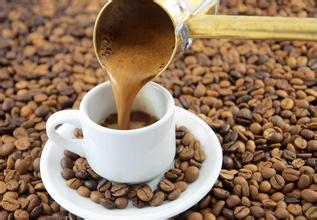
Boutique coffee Rwanda coffee origin Rwanda coffee practice
Rwandans have been growing coffee since colonial times, but until 1999, its products were still classified as below Class C and were not popular in the global market. The reason for the poor quality is that farmers do not have a fixed procedure for washing coffee beans and do not process coffee fruits according to specifications in time. Buyers buy coffee beans at $0.33 per kilogram, and farmers keep warm by the meagre profits earned at low prices.
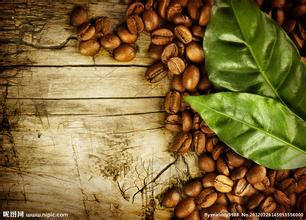
Boutique Coffee Rwanda Coffee Manor 1756 members small farmers
Rwandans have been growing coffee since colonial times, but until 1999, its products were still classified as below Class C and were not popular in the global market. The reason for the poor quality is that farmers do not have a fixed procedure for washing coffee beans and do not process coffee fruits according to specifications in time. Buyers buy coffee beans at $0.33 per kilogram, and farmers keep warm by the meagre profits earned at low prices.
Fine coffee Rwanda Coffee introduces the characteristics of Rwanda Coffee
Rwandans have been growing coffee since colonial times, but until 1999, its products were still classified as below Class C and were not popular in the global market. The reason for the poor quality is that farmers do not have a fixed procedure for washing coffee beans and do not process coffee fruits according to specifications in time. Buyers buy coffee beans at $0.33 per kilogram, and farmers keep warm by the meagre profits earned at low prices.

Boutique coffee Rwanda coffee flavor red apple, cherry, cinnamon, honey
Rwandans have been growing coffee since colonial times, but until 1999, its products were still classified as below Class C and were not popular in the global market. The reason for the poor quality is that farmers do not have a fixed procedure for washing coffee beans and do not process coffee fruits according to specifications in time. Buyers buy coffee beans at $0.33 per kilogram, and farmers keep warm by the meagre profits earned at low prices.
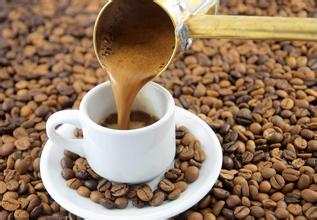
Boutique coffee Rwanda coffee producing area in the western province of Lutexilo
Rwandans have been growing coffee since colonial times, but until 1999, its products were still classified as below Class C and were not popular in the global market. The reason for the poor quality is that farmers do not have a fixed procedure for washing coffee beans and do not process coffee fruits according to specifications in time. Buyers buy coffee beans at $0.33 per kilogram, and farmers keep warm by the meagre profits earned at low prices.

Fine coffee Rwanda coffee processing method Processing method Washing, elevated shelf drying
Rwandans have been growing coffee since colonial times, but until 1999, the product was classified as below grade C and was not available on the global market. The reason for the poor quality is that farmers do not have a fixed procedure for cleaning coffee beans, and they do not process coffee fruits according to specifications in time. Buyers pay $0.33 a kilo for coffee beans, farmers keep warm on the meager margins they earn at low prices

Korean cafes have failed in all aspects of China. What lessons can you learn from Chinese cafes?
Following Kaiping (official Wechat account vdailycom) found that Beautiful Cafe opened a small shop of its own and a large-scale expansion of the cafe was in the pipeline. Seesaw announced last month that it had received 45 million RMB A round investment from Baifu Holdings, which is owned by Hony Capital. The founder of another Shanghai boutique coffee brand, Yingji Coffee, said in a recent interview that it was preparing 30 million yuan.